

Winter Tips for Plant Parents!
It’s beginning to look a lot like winter. While we’re bundling up in cozy layers and turning on the heat, our houseplants are also adjusting to the colder months. Winter plant care looks a little different than spring and summer, but with a few simple shifts, your plants can stay healthy and happy all season long.
Let’s play a fun game of True or False, paired with practical winter plant care tips you can actually use.
True or False: You Should Stop Feeding Houseplants in the Winter
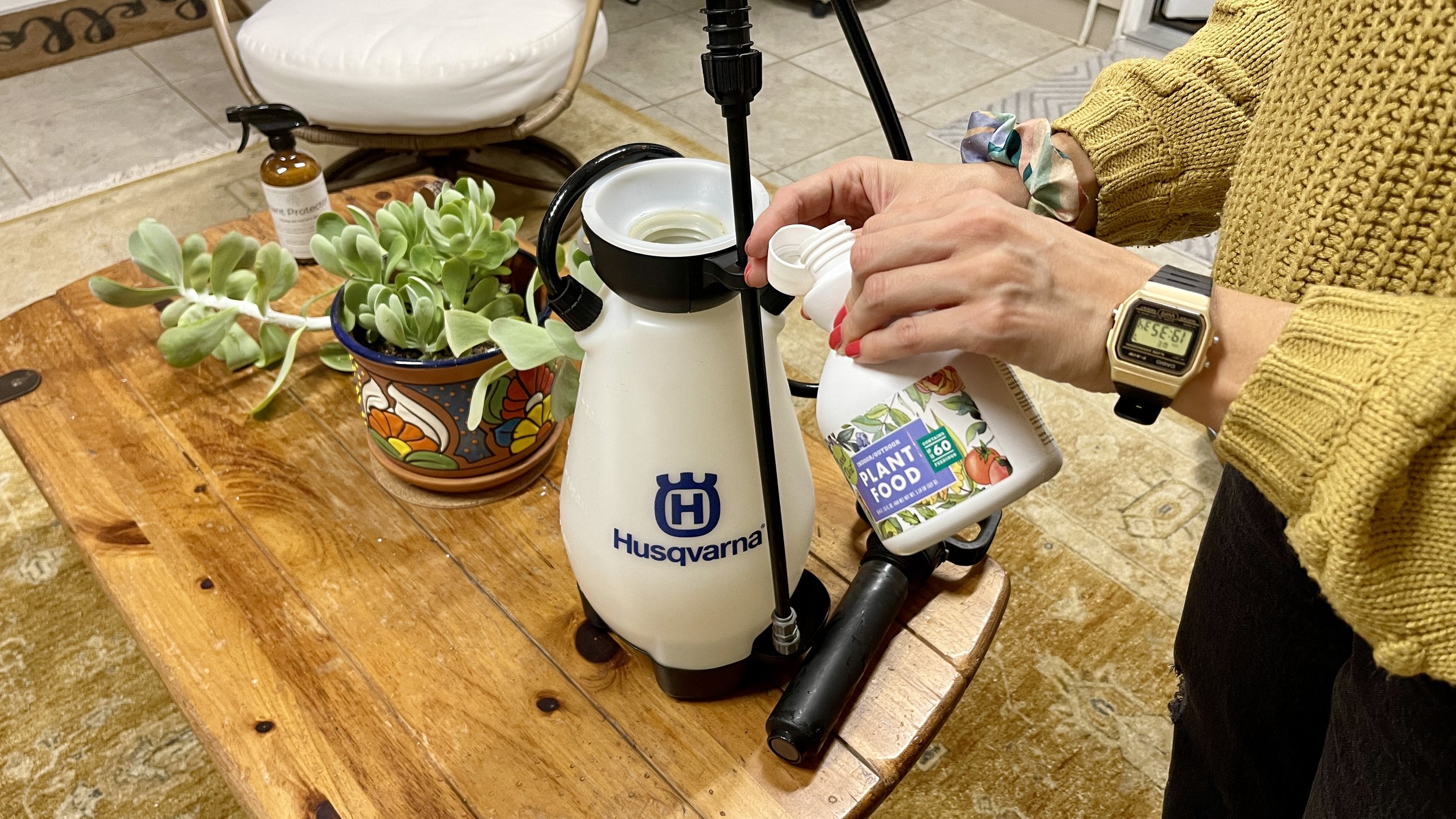
FALSE! Houseplants do slow down and enter a semi-dormant phase during winter, but that doesn’t mean you should stop feeding them completely. Even in winter, plants benefit from a gentle boost of nutrients to help maintain overall health.
I love using Plant Food from Good Dirt because it’s mild, beginner-friendly, and won’t over-fertilize your plants. Instead of feeding with every watering like the label suggests, try fertilizing your houseplants once a month during winter. This provides support without encouraging excessive growth.
Keep in mind that during the colder months, the frequency of watering is less, so your plants will naturally need water less often.
Every home, light situation, and plant collection is different, and sometimes having a second set of eyes can make things click. You can explore personalized plant care options on our services page if you’d like extra support.
True or False: You Shouldn’t Repot Houseplants in the Winter
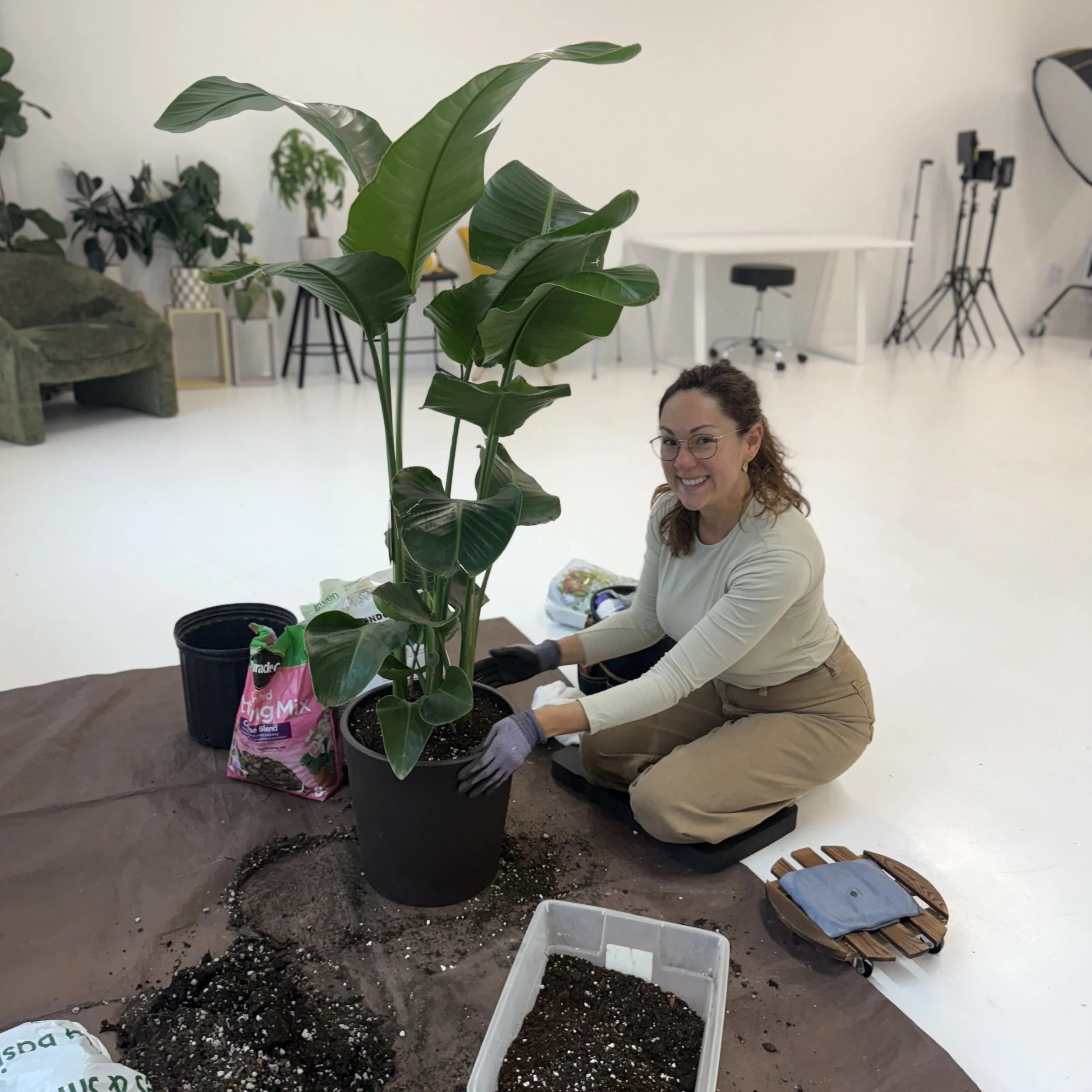
FALSE! Many people believe repotting plants in winter causes stress, but it’s actually safe and healthy to repot houseplants any time of year. If your plant has outgrown its pot or is root bound, repotting is necessary, even during winter.
Repotting now helps your plants settle into fresh soil and prepares them for the growing season in spring. To help prevent repotting shock, water your plant after repotting with a gentle plant food. This supports the roots as they adjust and encourages a smoother transition.
True or False: Plants Like to Cuddle
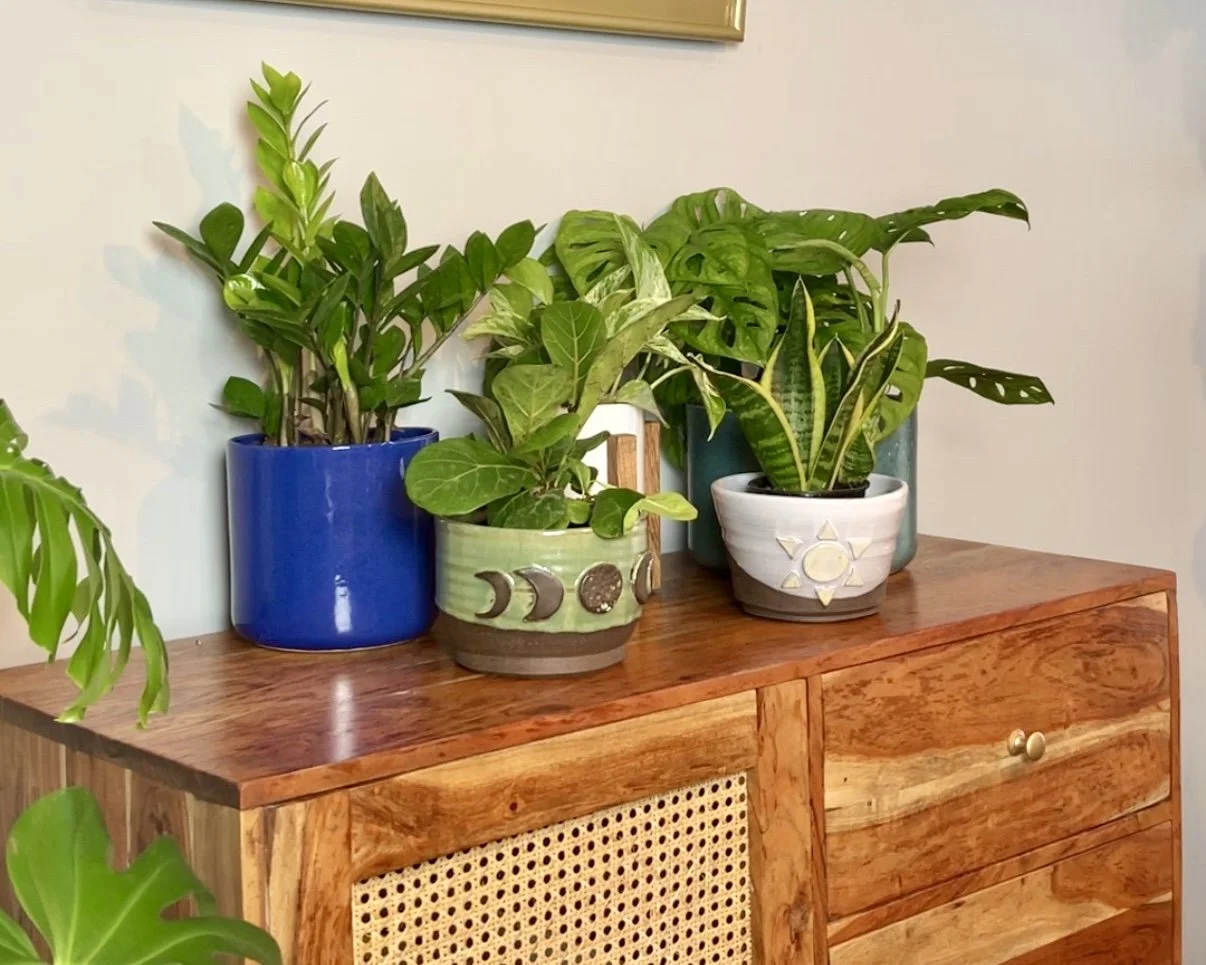
TRUE! Grouping your plants together during winter can make a noticeable difference in their health. Plants naturally release moisture into the air through a process called transpiration, and when they are placed close together, that moisture stays in the surrounding area instead of disappearing into the room.
This creates a small pocket of higher humidity, which is especially helpful during winter when indoor heating dries out the air. That added humidity helps prevent common issues like crispy brown leaf edges, drooping leaves, and overall stress. Moving plants away from cold windows also helps protect them from chilly drafts and sudden temperature changes that can shock leaves and roots.
Do not be afraid to rearrange your plant babies during winter and give them a few cuddle buddies. It is an easy and free way to support your plants through the colder months.
True or False: Leaves Dropping Is Always Bad for Houseplants
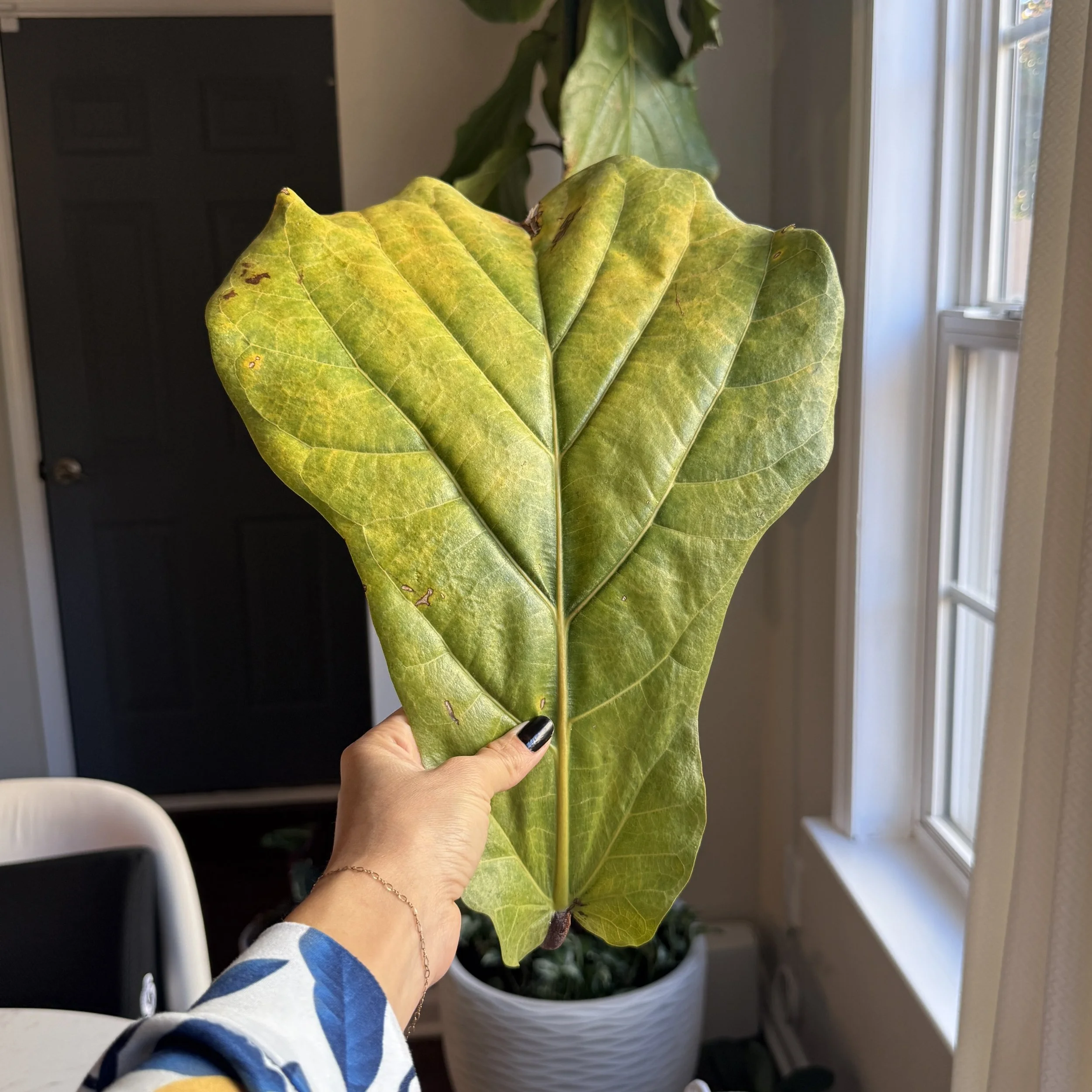
FALSE! While leaf drop can sometimes indicate problems like overwatering or underwatering, leaf loss in houseplants during winter is often normal. With shorter days, lower light levels, and cooler indoor temperatures, many houseplants naturally shed older leaves to conserve energy, similar to outdoor plants in colder seasons.
A few yellowing or dropping leaves during winter plant care is usually nothing to worry about. However, ongoing or heavy leaf drop may signal an issue such as poor drainage, pests, or inconsistent watering habits that need attention. When things feel unclear, getting personalized guidance can help you respond with confidence instead of guesswork.
Want to be part of the Verde Tribe? Join our newsletter for seasonal plant care tips, updates on new offerings and events, and follow us on Instagram @verdetribe for behind-the-scenes moments and everyday plant life.