

Plant Propagation for Beginners

How to Grow New Plant Babies (Just in Time for Our Plant Swap)
If you have ever wondered what propagation actually is, or felt nervous about trying it, this one is for you.
Plant propagation is the process of growing new plants from cuttings or other plant parts. That means you can grow brand new plant babies from the plants you already have. Yes, it really is that magical.
Propagation can sound intimidating at first, but it is much simpler than it looks. With a little guidance and patience, you can feel confident doing it on your own. And I will be with you every step of the way. You got this!
Propagation is also great for your plants. Pruning and propagating helps keep plants healthy, encourages fuller growth, and gives you cuttings you can grow, gift, or swap with friends. Perfect timing, since Verde Tribe is turning 7 years old and celebrating with a community plant swap.
Today we are keeping things beginner friendly and focusing on one of the easiest methods, water propagation using stem cuttings.
What You Will Need to Propagate Houseplants
A healthy plant to propagate
Beginner friendly plants like pothos, philodendrons, begonias and monsteras work bestClean scissors or pruning shears
A glass vessel with water or a propagation station
Once you have these ready, you are officially set to start propagating
Step 1: Make the Cut
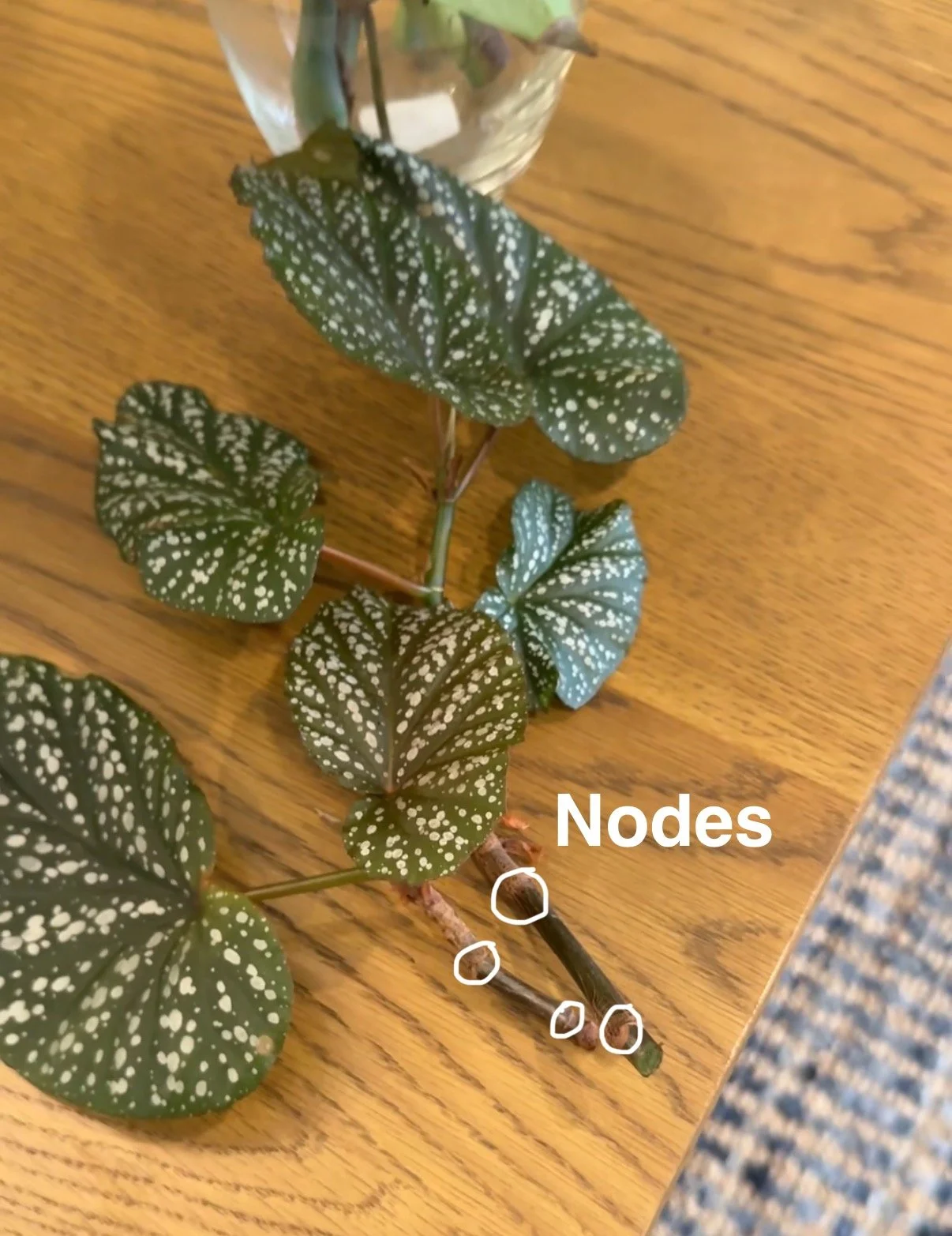
Start by finding a healthy stem and locating the node. The node is the small bump or joint along the stem where new roots will grow.
Using clean scissors, cut the stem just below the node at a slight angle.
Each cutting should include one to two nodes for the best chance of rooting.
Try not to leave extra stem below the node. The node is the part that will root, and leaving too much extra stem can slow the process down.
Step 2: Prep Your Cutting
Remove any leaves that would sit too close to the node or end up submerged in water. Leaves in water can rot, and we want to avoid that.
Next, let your cutting callus for 2 to 3 hours by placing it on a clean surface before putting it in water.
This allows the cut to form a natural seal, which helps prevent rot and supports healthy root growth.
Step 3: Place in Water
Water Propagation in a Glass Vessel
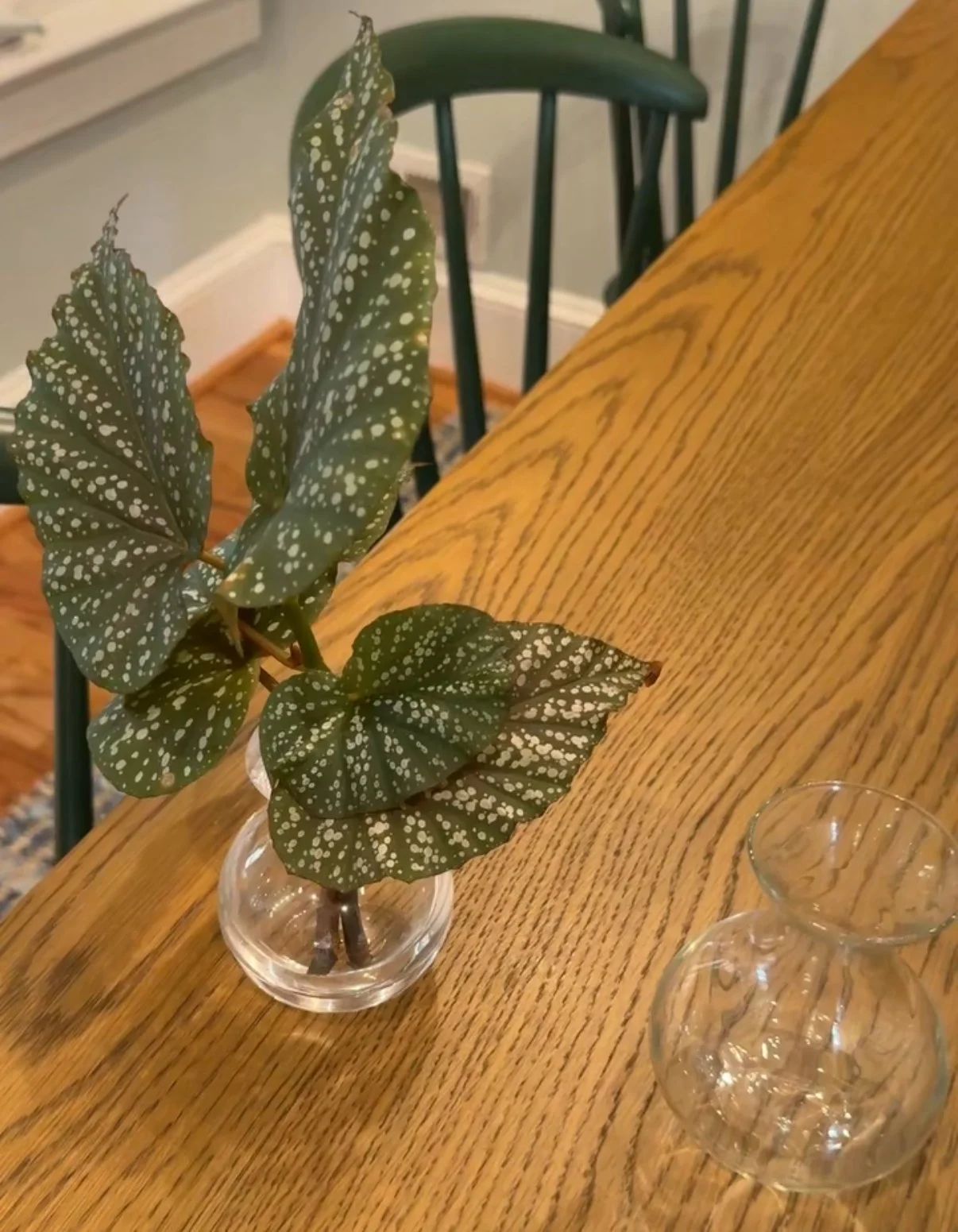
Fill your glass with room temperature water and place the cutting inside so the node is fully submerged.
Make sure all leaves stay above the water line.
Place the glass in a spot with bright, indirect light.
You do not need fertilizer at this stage. Since the cutting does not have roots yet, it cannot absorb nutrients. Adding fertilizer now will not help and can actually stress the cutting.
Using a Propagation Station
Propagation stations are a beautiful way to root cuttings while using them as decor. They are perfect if you want to display your cuttings or keep them in water long term.
Step 4: Be Patient and Change the Water
Now comes the waiting part. I know it can be hard.
Check your cuttings weekly and change the water once a week.
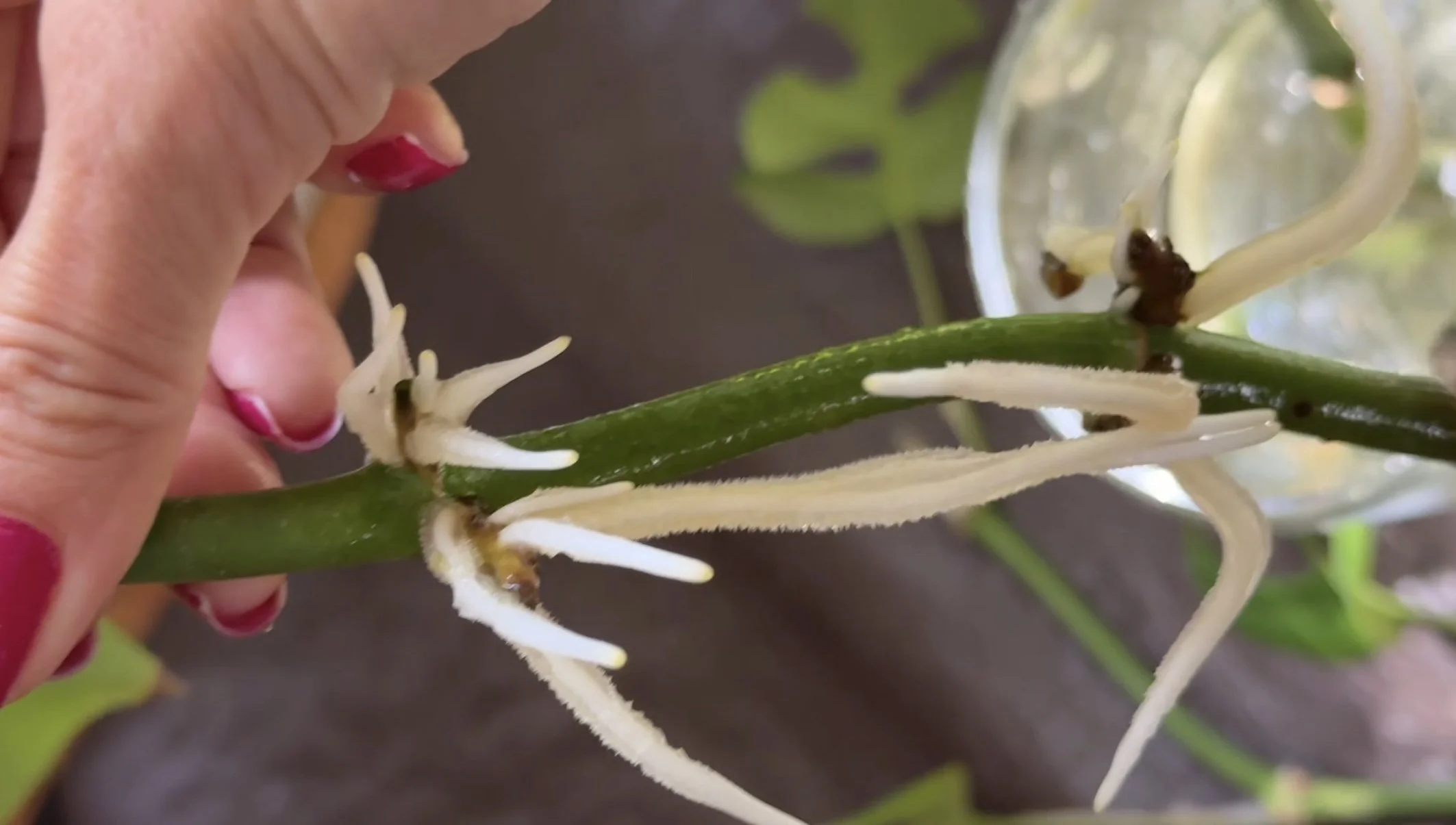
Fresh water is important because it replenishes oxygen, which roots need to grow strong and healthy. Old or stagnant water can limit oxygen and slow root development. You should start seeing new roots in about 2 to 3 weeks.
Step 5: Transfer to Soil
Once the roots are about 2 inches long, your cutting is ready to move into soil.
Use a fresh, well draining potting mix and repot just like you would any other houseplant.
If you would like step by step help with repotting, we can hop on a virtual call or I can help in person with an in-home visit here in Charlotte, NC.
Get Your Cuttings Ready for Our Plant Swap
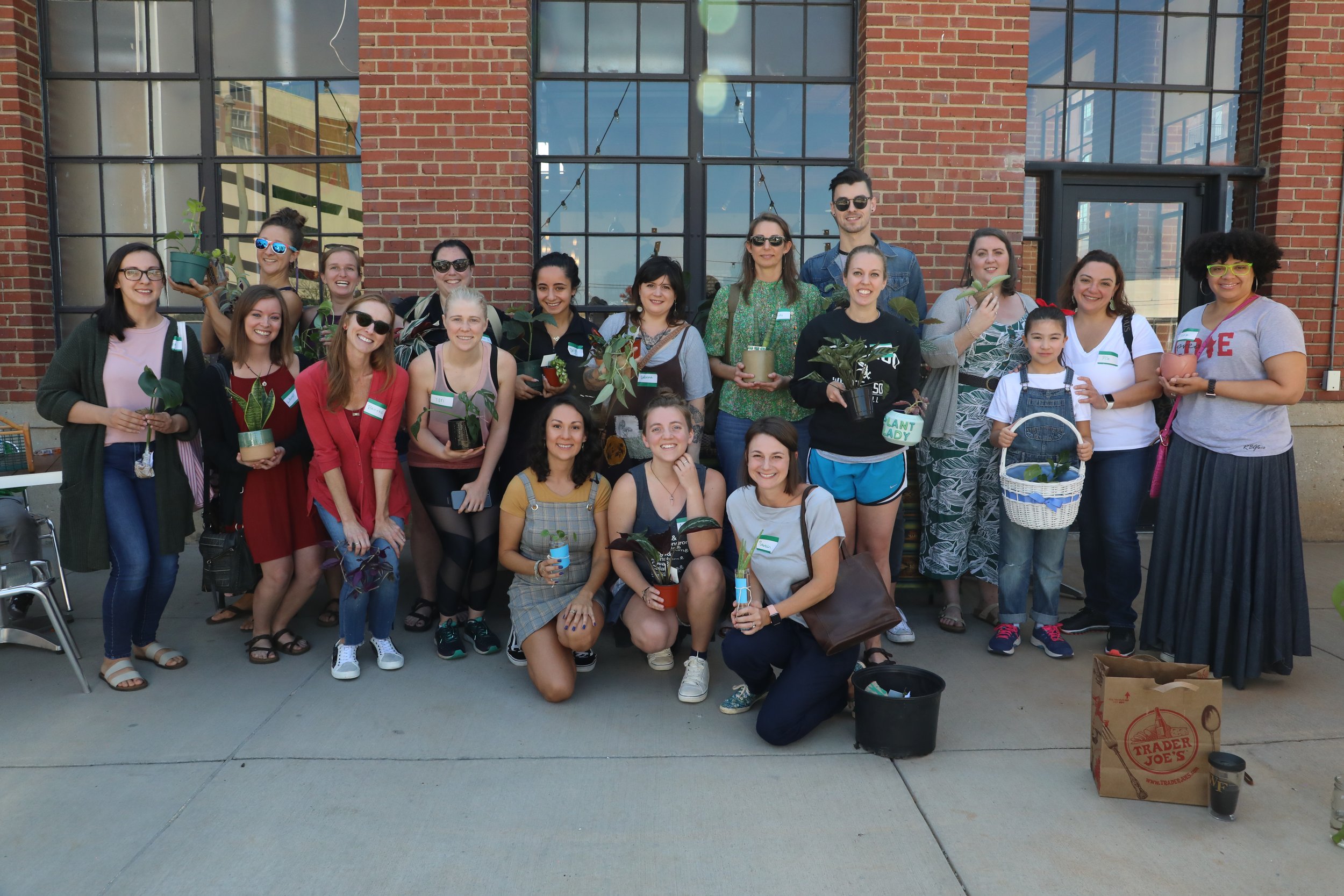
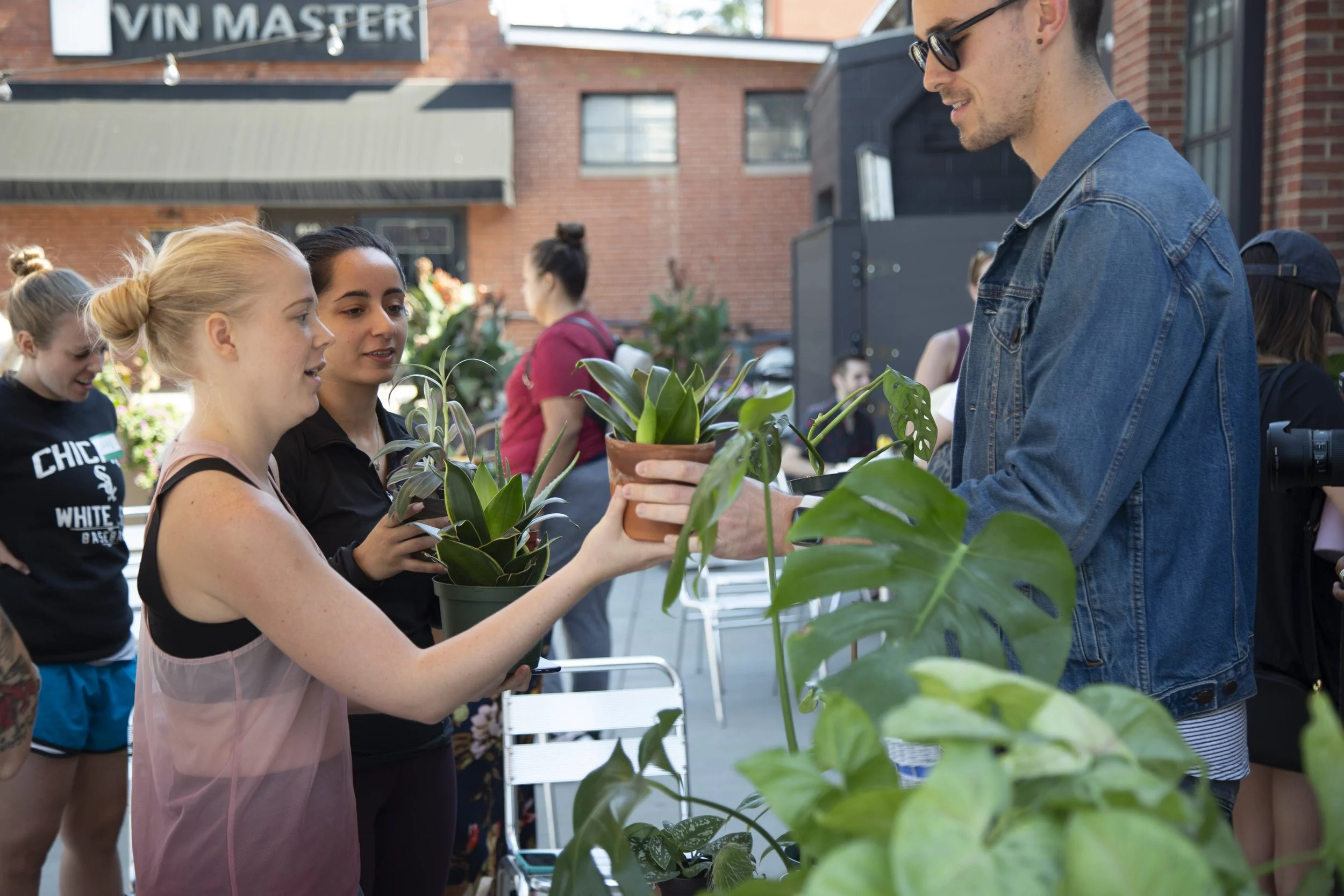
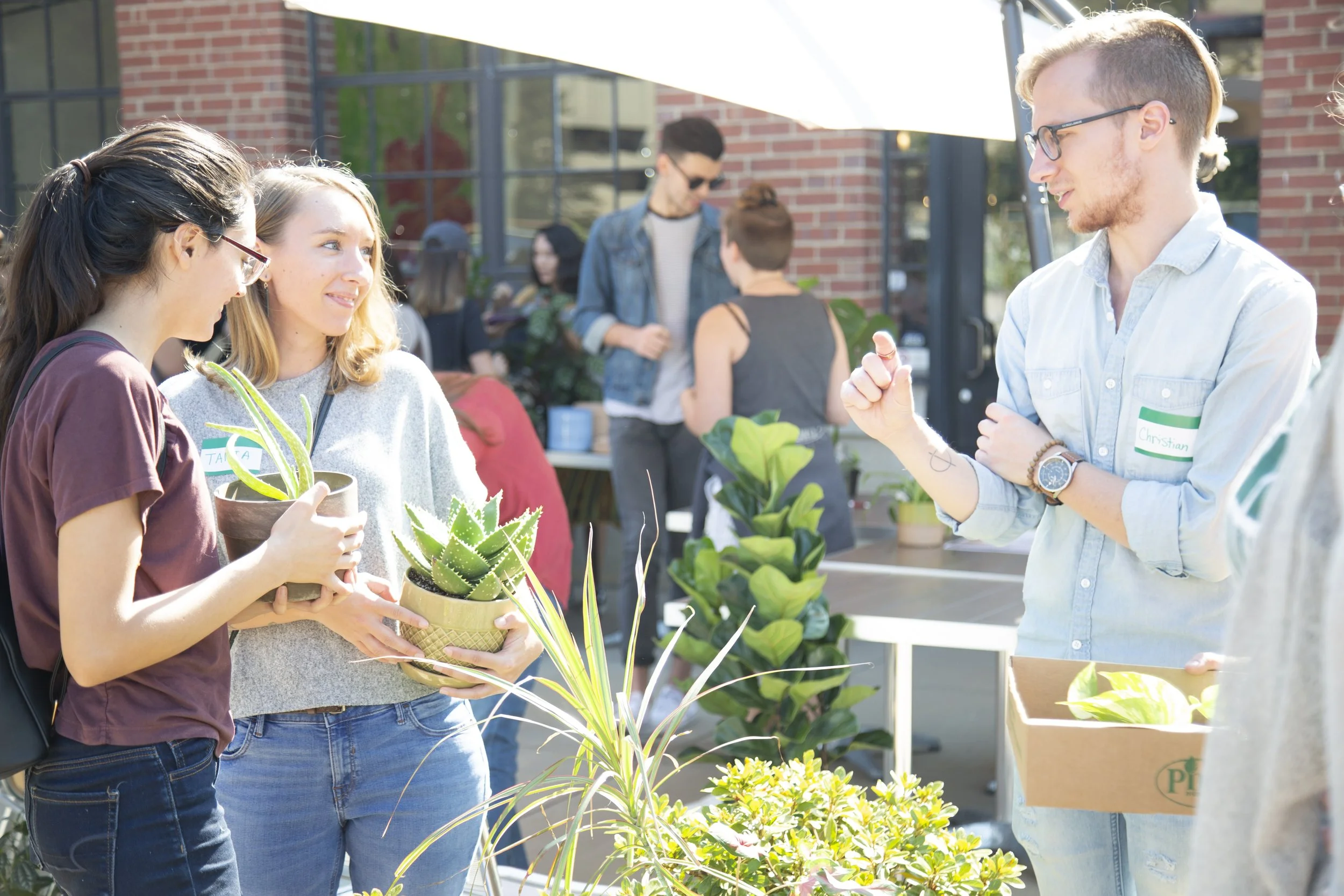
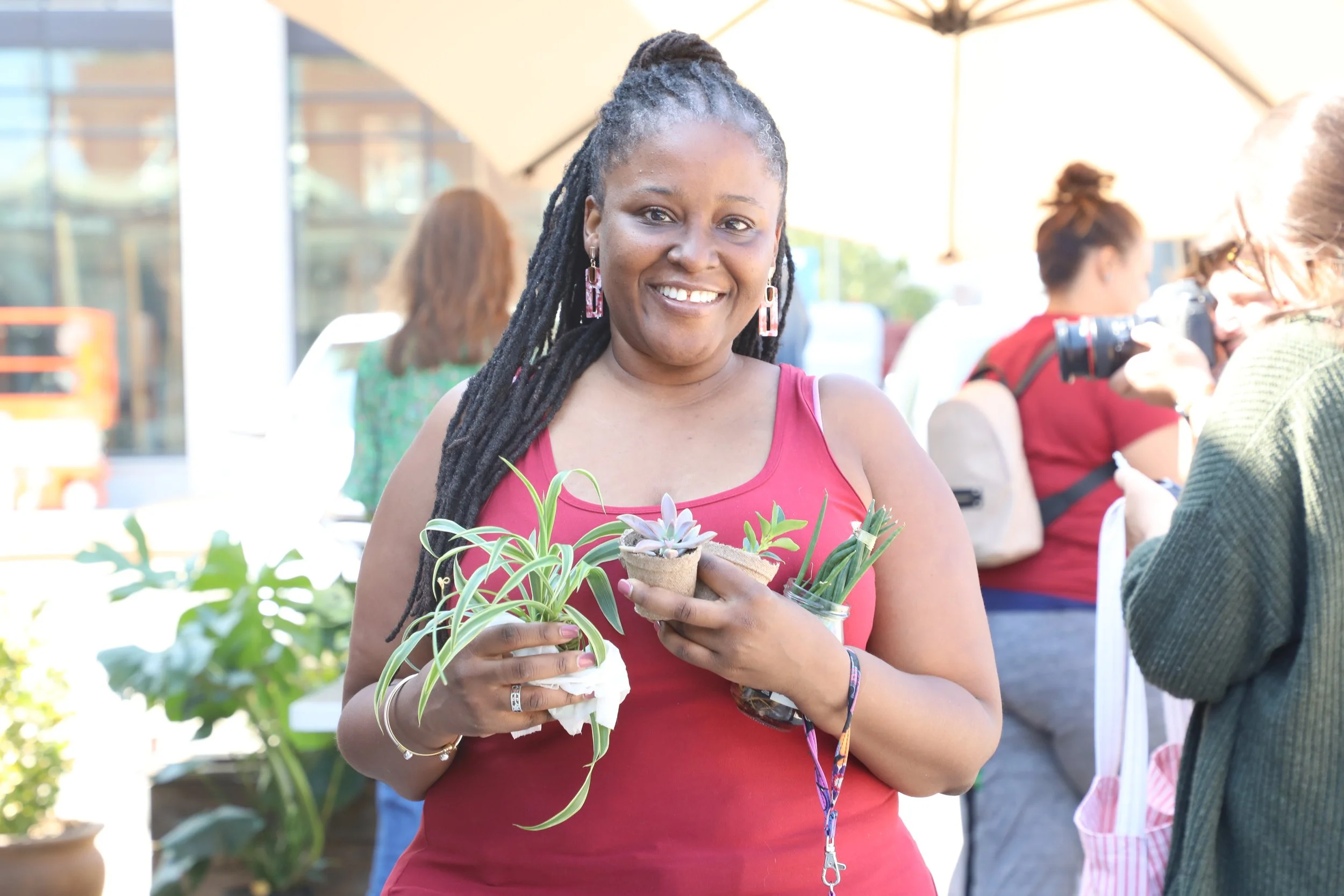
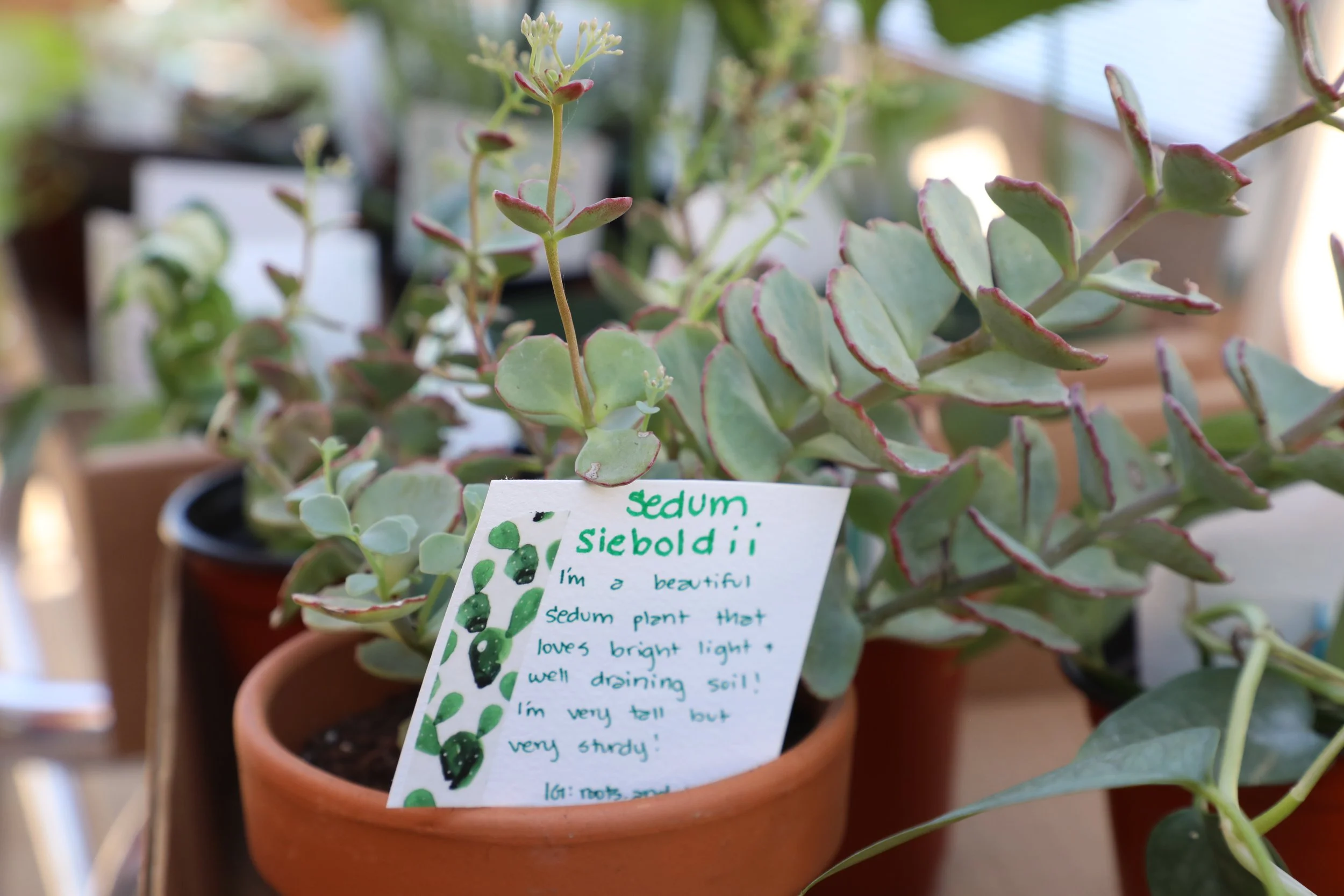
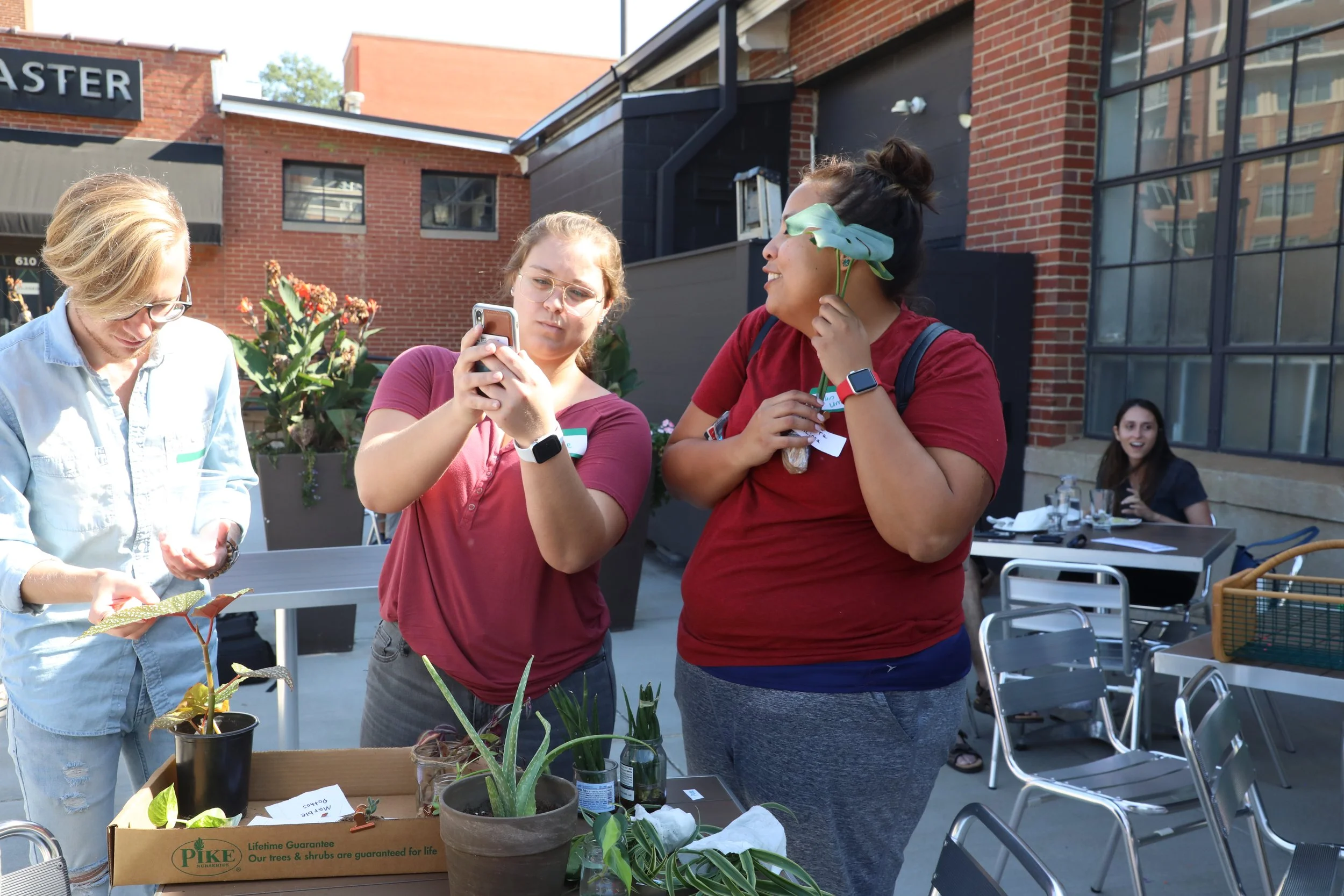
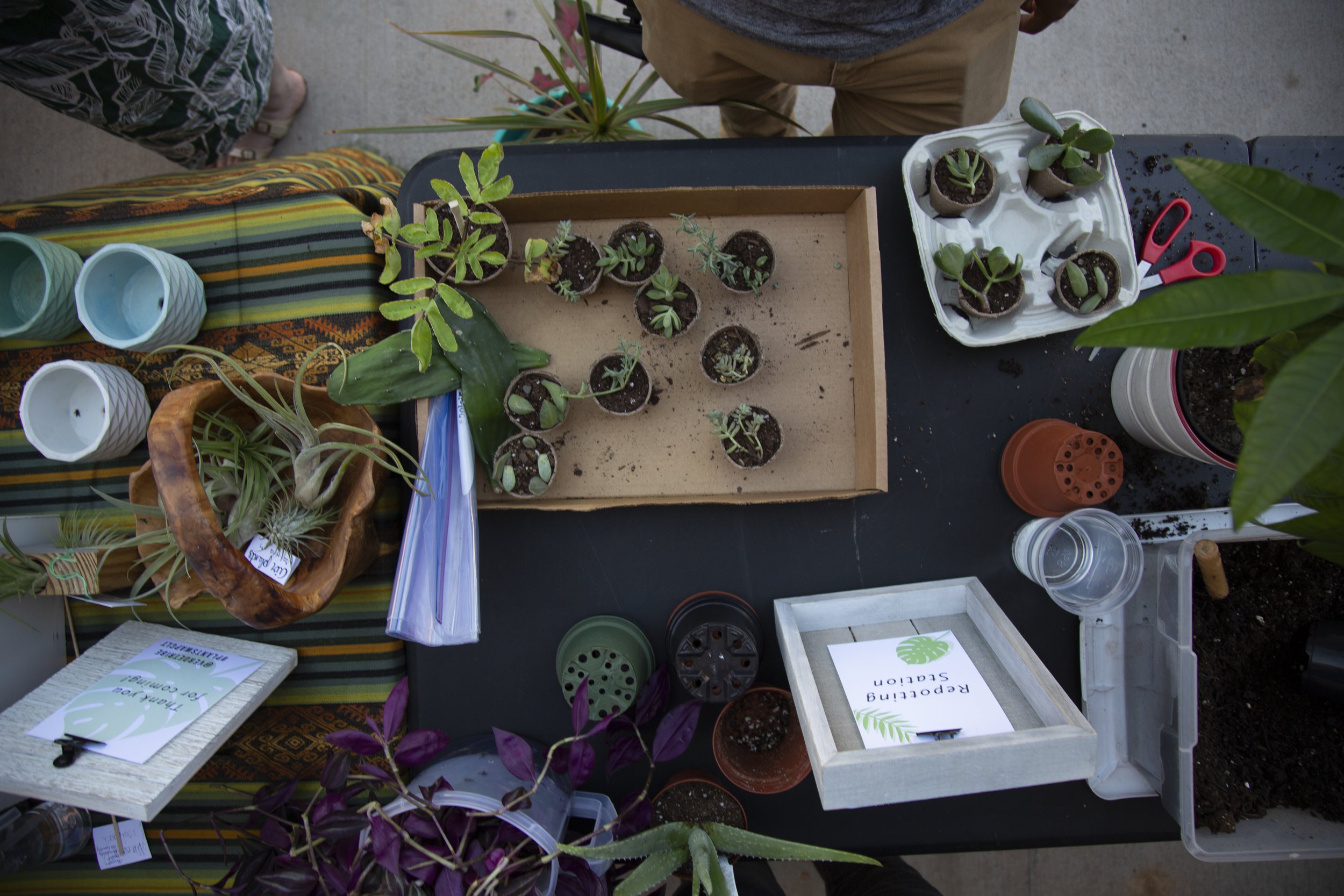
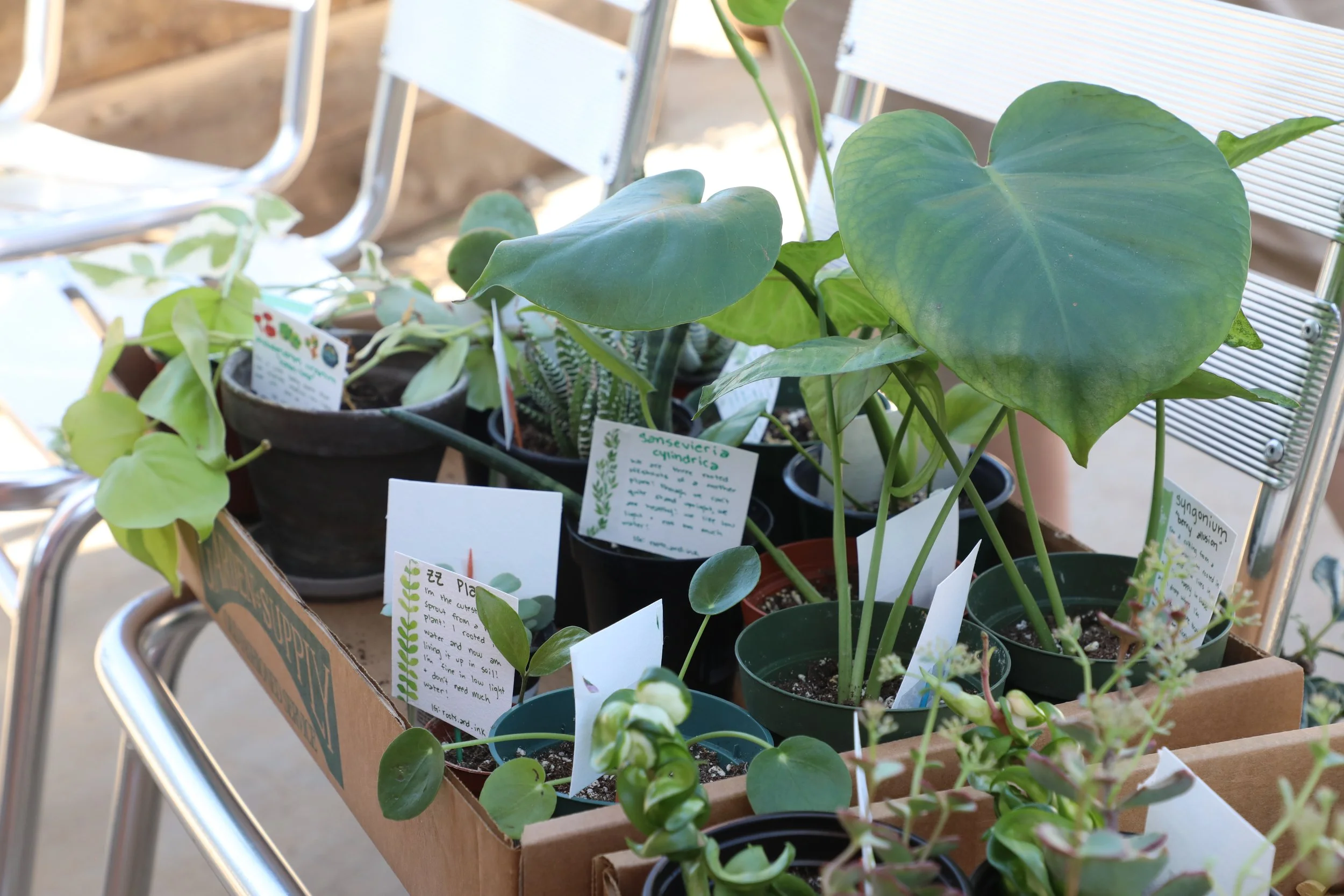
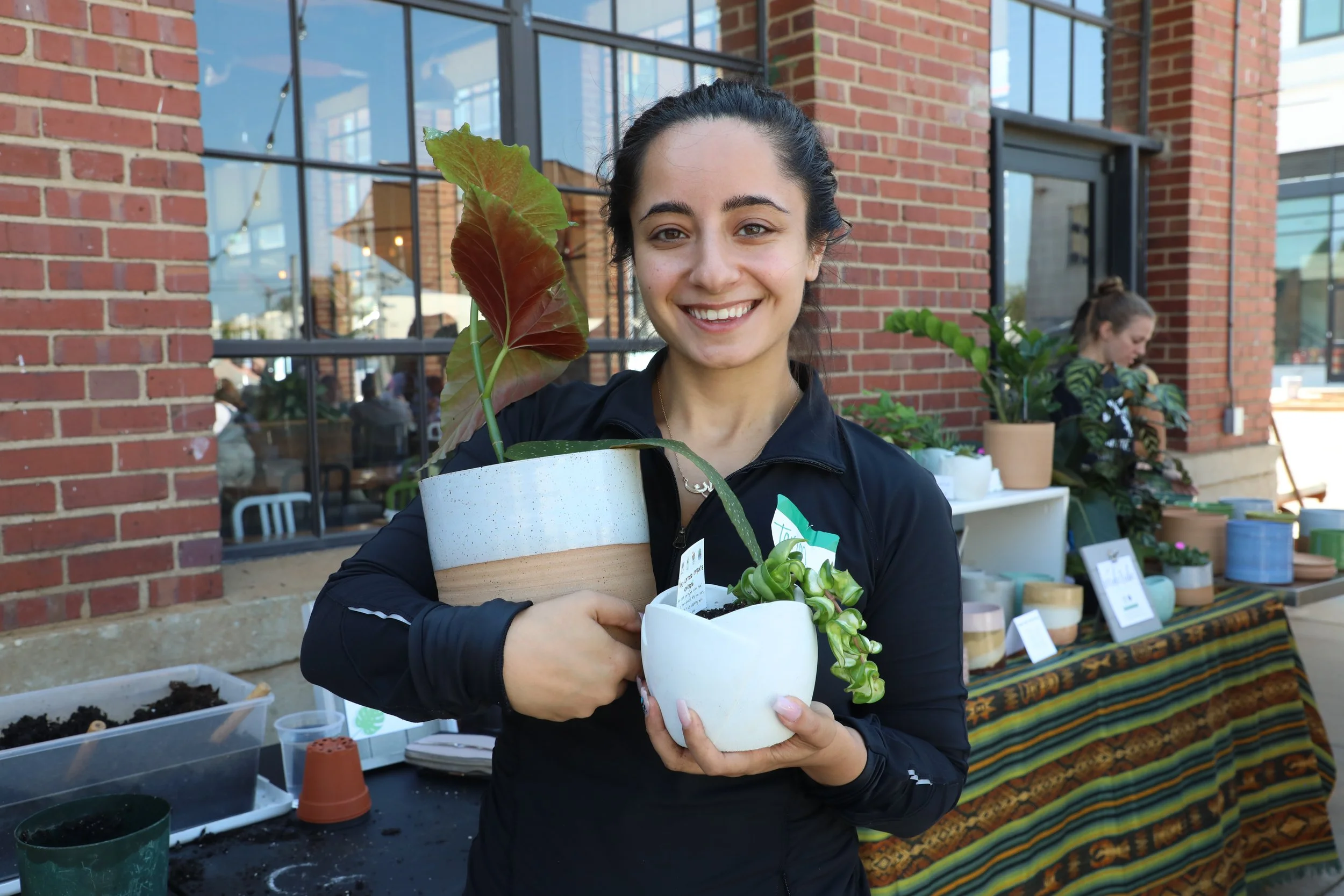
Propagation is even more fun when you get to share the love.
To celebrate 7 years of Verde Tribe, we are hosting a community plant swap, and your rooted cuttings are exactly what you will want to bring.
When: Sunday, Feb. 22, 2026 at 11:00 AM
Where: Salud Cervecería
Bring your propagated cuttings, swap with fellow plant lovers, and celebrate how far we have grown together.
And that is it. Propagation does not have to feel scary or complicated. With a little practice, you will be growing new plant babies in no time.
Still have questions? Leave them below. I am happy to help.